Screenwriting: Essential Reads

Today I am posting on some essential reads for those interested in developing as screenwriters.
***
Book #1: The Hero With a Thousand Faces, by Joseph Campbell
This is the alpha in regard to story - not screenplay focused directly - its focus is on the archetypes that exist in all stories, from the earliest cave paintings and folktales, to high flights of literature and film. Campbell is part cultural anthropologist, part religious studies major - he develops a working monomyth cycle: departure, initiation, and return, as a way of reading and understanding all stories as interrelated based on our cultural and personal needs, desires, and fears.
Almost all of the story analysts in Hollywood use some template of his work as a way to screen potential movie concepts. This book is a valuable starting point for any writer that wants to understand the depth of story origins.
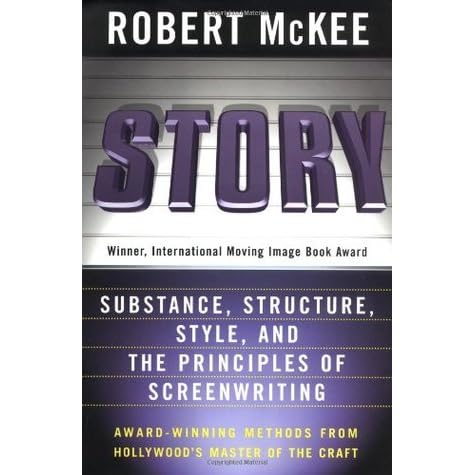 Book # 2: Story, by Robert McKee
 The website for this book says that reading his book is a rite of passage for screenwriters. Definitely true. His Story is a gruff and assertive take on the structure and essentials for writing scripts. From formatting to salient notes on what to not do, McKee is the architect of crisp and clean technique. When you are ready to begin the screenwriting process, this book is where you will need to begin if you want to be taken seriously as a writer.

Book # 3: Into the Woods, by John Yorke
After my first feature, which I co-wrote with Bill Schlavis, (https://www.imdb.com/name/nm4969665/?) I was interested in a different pace for my next script, Shark River.
Form follows function - and I had just screened, Call Me by Your Name, and was vibing on slower paced story structure, with shorter breaks. The talented writer, Frank Barbiere (http://www.atlasincognita.com/), suggested Yorke's book. It was the first book I had read on story structure in more than 5 years that was not the usual text catering to film school kids and those trying to "break into the industry". The writing is calm and studied, offers practical examples of 5-act structure that exists in classic films and in current TV offerings. Yorke writes with the why in mind so writers can see the method behind his push for and understanding of this format.
Writing in 5 acts instead of 3 is not Yorke's invention - many movies have adhered to this structure, as did Shakespeare. Yet, in applying this model to my own writing, it felt like a bit of a revolutionary act. I was so used to the 3-act screenplay religion: 20-30 pages for act 1, 60 for act 2 and 20 for act 3.
In breaking the whole of the film's story into these additional acts, Yorke also makes the moral case for the inclusion of story beats and Save the Cat moments that writers employ, sometimes without regard to why they are there, and offers real connections to why the inciting incident exists, why what the hero wants is unique from what they need.
Of all of the film books on this list, I have used this one more than any other. A copy of his breakdown of the structure is permanently affixed to the wall next to my desk.

Book # 4: Save the Cat, by Blake Snyder
Yes, it is basic. Yes, it is often over-used as a template. Yes, it could encourage some laziness.
Snynder's now-famous book is sort of a go-to for screenwriters eager to work in a write-by-numbers sort of way. It is also self-aware.
Snyder offers some simple and sometimes correct ways to find outposts in the darkness of writing. For beginning writers, especially those clinging to a 3-act framework, entering into the barren landscape of act-2 is taxing and difficult to navigate. He offers markers for stating theme (page 5), catalyst events (12-15), midpoint (55) and so on onto the end of the story. After the beginning writer has done a script or two on their own, this book is a great place to stop to check in on what structures are present in films. He applies his formula to already completed films, (Wedding Crashers), and it appears to work. His website offers printable scripts that continue this process of retroactively applying his ideas to completed works - and this is where some of my issues come from. For a new writer who may be unsure of their footing, adhering so religiously to this can be tempting. Writers need to wander in the darkness for sometime to see where they land, and how they can work themselves out of problems and, most importantly, what structure suits their style - not the other way around. All that being said, this should be a requisite read for any writer.


Comments
Post a Comment